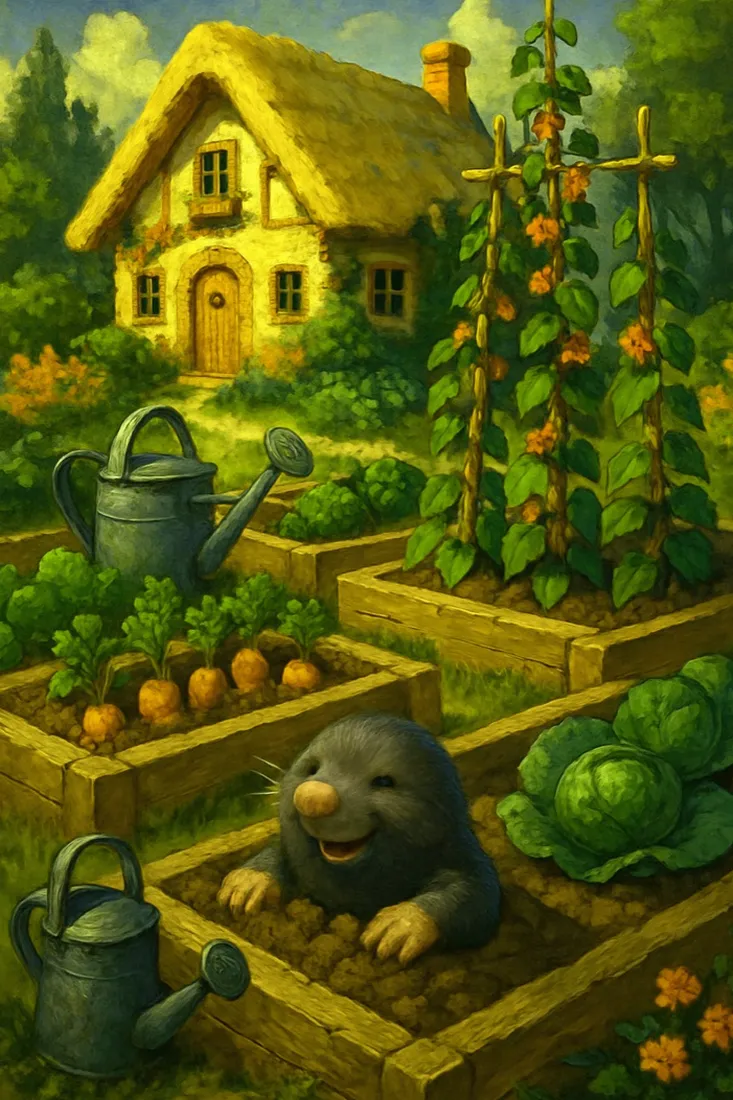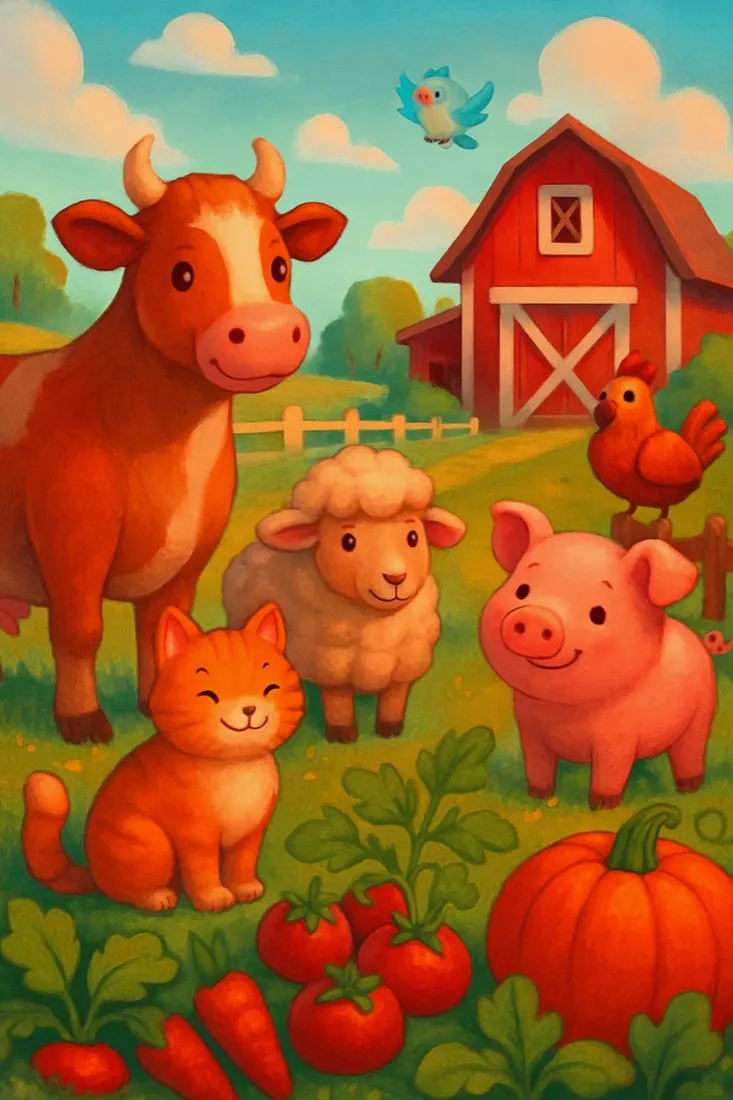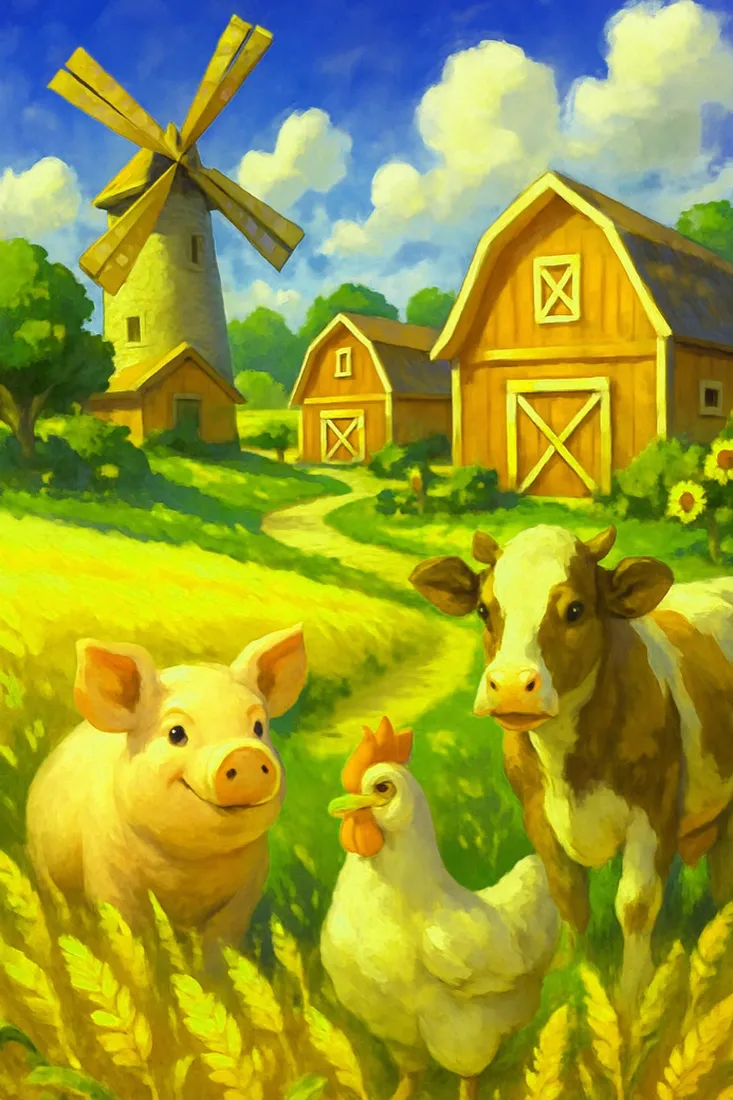
Some farm games want you to sit by the pond and admire the ducks. Big Farm wants you to build a second barn. From the first session it is clear that this is a game about growth: more fields, more buildings, more products and more ambitious goals. The cheerful countryside is real enough, and so is the farm dog bounding about, but the heart of it is an estate that keeps expanding.
The game comes from Goodgame Studios in Hamburg and first appeared in browsers in 2012, with a separate mobile title, Big Farm: Mobile Harvest, following later. We played the browser version, which the publisher lists for desktop. It is a polished, confident game that has clearly been tuned over many years, and it shows in how smoothly the early hours pass.
Forty-five buildings and a lot of upgrading
The publisher counts more than 45 different buildings and upgrade levels, and you feel that breadth quickly. Fields for crops, homes for animals, production buildings that turn raw goods into finished ones, all of them upgradeable. A good share of your time goes into deciding what to build or improve next, and the satisfaction comes from watching a small yard grow into a working estate.
This makes Big Farm feel more like a builder than a pure farming game. You are not only tending, you are investing, and every upgrade opens up something else. For players who like a sense of momentum, it is very rewarding. For those who want quiet, it can feel like a list of jobs. We found the sweet spot was to plan one big project per week and let the daily tending fit around it.
Ninety products and realistic production cycles
With more than 90 different products and what the publisher describes as realistic production cycles, Big Farm's economy is broad rather than intricate. Chickens, cows and pigs supply raw goods, crops supply others, and production buildings combine them. Then you sell on the market, where trading with other farmers keeps things moving.
The production side is pleasingly busy. There is always something finishing, something to start and something to sell, which keeps sessions lively. It lacks the tight, almost puzzle-like chains of My Free Farm, but it makes up for that with scale. A research system adds another layer, letting you improve your operation over time, and it gave our more competitive reviewers a long-term target to chase.
Cooperatives that actually cooperate
Big Farm's community features are the strongest on our shelf. Cooperatives let you team up with other players, and the game builds plenty of activity around them, from shared goals to competitive missions against other farmers. Joining one early changes the game noticeably; you have people to learn from, reasons to log in and a shared sense of progress.
Our reviewer's cooperative was active and welcoming, with experienced players quick to help newcomers through the first few weeks. That social glue is a big part of why Big Farm stays fresh for long-term players. If you prefer to farm alone, you can, but you will miss a lot of what makes it distinctive. This is why our neighbourliness score is the highest we have given.
Caribbean islands, weekly updates and the shop's shadow
Events are frequent, and the publisher promises weekly updates with new content. Challenges arrive regularly, and themed adventures, including Caribbean island farms, give you a fresh place to play for a while. These keep the long haul interesting and give each month a slightly different flavour, along with over 100 decorations to personalise the farm.
The flip side is that Big Farm leans harder on its shop than the gentler games on our shelf. Shortcuts are offered often, and events can feel designed to tempt you towards them. A patient free player can still go a long way, and the cooperative helps, but you will notice the pressure more here. That is the main reason our fairness score sits lower than for the upjers titles.
Your first seven days in Big Farm
- Follow the early tasks closely; they teach the production basics and steer you to sensible first buildings.
- Keep fields and animal homes busy before you think about decorations or bigger projects.
- Join an active cooperative within the first few days and ask questions freely; people do help.
- Pick one building upgrade as your goal for the week and save towards it steadily.
- Try the current event once you are settled, but do not let it pull you away from your farm basics.
What we love
- Cooperatives give the game the warmest and busiest community on our shelf.
- Constant building and upgrading gives every week a clear sense of momentum.
- Regular events and themed islands keep the long haul varied.
- A broad catalogue of products keeps production sessions lively.
What grates
- The shop nudges harder and more often than the gentler farms do.
- Busy production can tip from satisfying into a list of chores.
- The economy is broad but less intricate than My Free Farm's chains.
Who Big Farm suits
Players who want a farm with ambition, a group of fellow farmers and something big to work towards each week. It suits builders, organisers and anyone who enjoys a community. If you want a quiet, unhurried plot, look elsewhere on the shelf first.
Where we land on Big Farm
Big Farm is the most ambitious and sociable farm we reviewed. Its buildings, products and research give it real breadth, and its cooperatives turn a solo routine into a shared project. It loses points for leaning harder on its shop and for a busyness that can feel like work, but if you want your farm to become an estate and your neighbours to become a team, it delivers that very well.