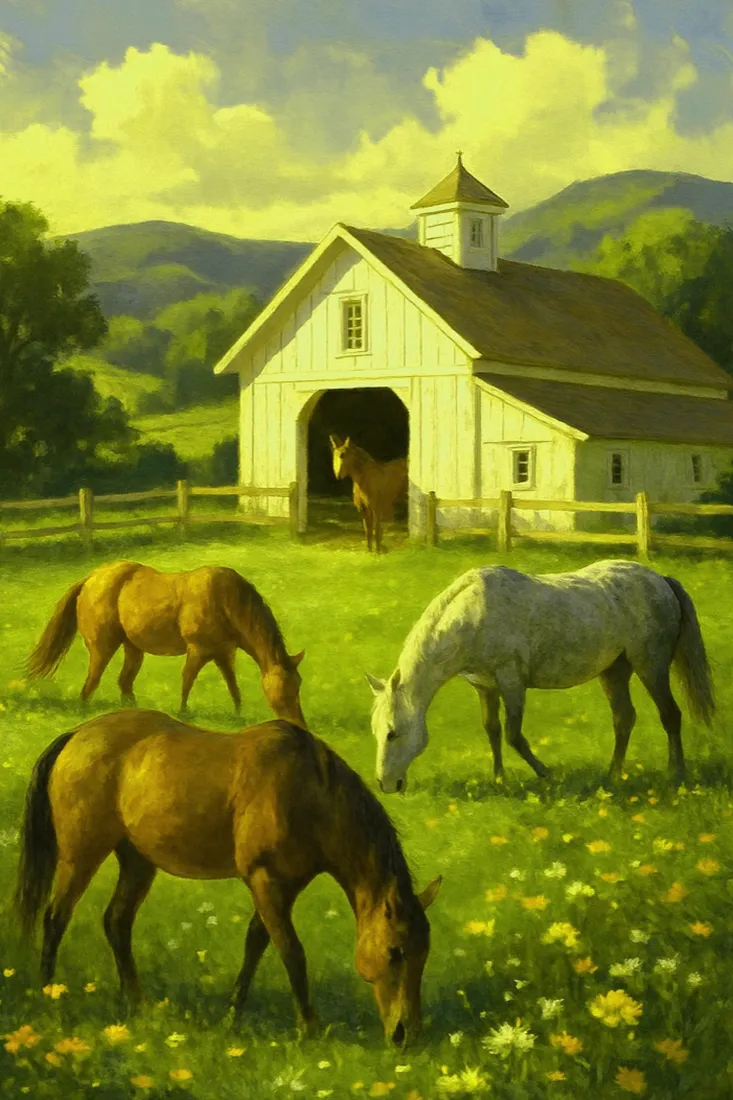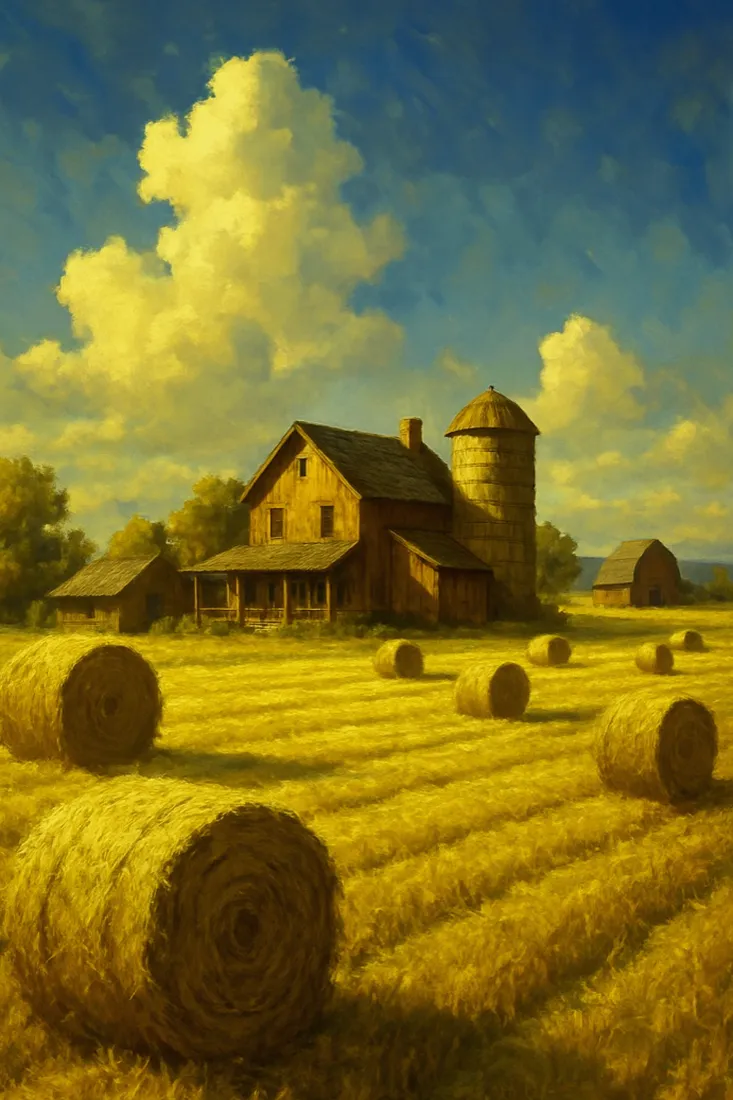
First impressions of My Free Farm are not dazzling. The presentation is simple and a little old-fashioned, with none of the glossy animation some newer farm games lead with. If you judged it in five minutes, you might close the tab. That would be a mistake, because behind the plain fields sits the most satisfying farm economy on our shelf, and the one our more methodical reviewers were happiest to keep playing.
The game is made by upjers and has been running for a long time, which shows in how much there is to do. The official site promises 32 different fruits and vegetables, from corn and carrots to herbs and strawberries, and a set of animals whose output feeds a surprisingly thoughtful production chain. It is a game that rewards a notebook, or at least a good memory.
Thirty-two crops and the art of the rotation
The fields are where everything begins. You sow, wait and harvest, and with 32 fruits and vegetables to choose from, the question quickly becomes which to grow and when. Some crops suit a short absence, others a long one, and what you plant shapes everything downstream. A good evening session in My Free Farm is spent less on clicking than on thinking: what do I need tomorrow, and what will be ready when I next have ten minutes?
This is where the game earns its reputation. Planting the right thing at the right moment feels like a small victory, and getting it wrong teaches you something without costing you much. Over a few weeks we developed little rituals, long crops before bed, quick ones at breakfast, and the farm began to hum in a way that felt like our own design rather than the game's suggestion.
From milk pail to cheese board
The animals are what turn a field game into an economy. Cows, chickens, sheep and bees produce milk, eggs, wool and honey, and those raw goods can be processed into things like mayonnaise, cheese, candy and wool balls to sell. Barn animals need fodder plants, which you grow yourself, so the fields and the animals are linked in a tidy loop.
We enjoyed how readable the chain is once you see it. Grow fodder, feed the cows, collect the milk, make the cheese, sell it on. Each step is simple; the pleasure is in keeping all of them moving at once. It is the closest thing on our shelf to running a real smallholding in miniature, minus the four a.m. starts, and it gives the planner in you a great deal to chew on.
Mootown, Pondsville and the farmies at the gate
Your farm does not sit in isolation. Mootown is home to farmers' clubs, the game's player groups, where people gather and help each other along. Pondsville has the mill, where you create recipes and power-ups. And the farmies, the game's little customers, visit your farm to buy your organic produce, giving you another outlet beyond the marketplace.
The marketplace itself is where surplus goes, and it is a genuinely useful one. Trading with other players smooths out the gaps in your own production, and learning what sells is part of the fun. We found the club side quieter than in some games, but the people we met were helpful and long-serving, the sort who will cheerfully explain the best use of a field to a newcomer.
Forty-five levels from Farm Hand upwards
Progression runs across 45 levels, from Farm Hand at the start to the grandly titled Cesare di Cereale at the top. That is a long road, and the game paces it fairly. New crops, animals and options arrive steadily, and quests keep giving shape to your sessions. You can also decorate your farm with hay bales, rabbits and other touches, and customise the farmhouse, though decoration is clearly second fiddle to production.
For free players, My Free Farm is reasonably generous. The paid shortcuts exist, as in every game of this kind, but careful planning goes a long way and the game seldom feels like it is holding something back to make you pay. Our main reservation is the presentation, which may put off anyone who wants charm first. Our planners did not mind at all; they had cheese to make.
Your first seven days in My Free Farm
- Sow a mix of quick and slow crops so you have something ready at every visit across the day.
- Grow fodder plants early; your barn animals depend on them and the whole production chain starts there.
- Process milk, eggs and wool into goods rather than selling everything raw, once those options unlock.
- Check the marketplace before planting to see what other farmers are short of and what sells well.
- Visit Mootown and look for a friendly farmers' club to help with questions as the farm grows.
What we love
- The crop, fodder and product chain is the deepest economy on our shelf.
- Thirty-two fruits and vegetables give real choice in every planting session.
- Steady progression across 45 levels never feels rushed or stingy.
- Careful planning is rewarded far more than spending ever is.
What grates
- The plain presentation undersells the game badly in its first minutes.
- Farmers' clubs can feel quiet compared with busier community games.
- Decoration is limited next to the more colourful farms on the shelf.
Who My Free Farm suits
Planners, tinkerers and anyone who has ever enjoyed a production chain. If the idea of timing your fodder so the cows are fed just as the cheese order arrives sounds fun, this is your farm. If you want sparkle first and systems later, start elsewhere.
Where we land on My Free Farm
My Free Farm is the thinking farmer's choice. It looks unassuming, but beneath the simple fields sits a rich, interlocking economy of crops, fodder, animals and processed goods that rewards foresight and patience. The pacing across its 45 levels is fair, the free route is generous and the marketplace gives your surplus a purpose. It misses the top spot only because it asks a little more of a newcomer's patience.